
Biting and Stinging Insect Control in Southeast Michigan
Professional Stinging Insect Control That Protects Your Family
Being stung by a wasp, hornet, or yellow jacket is painful at best and life-threatening at worst. Stinging insects are among the most aggressive pests Michigan homeowners encounter, and unlike most pests that retreat when disturbed, many stinging insect species will attack in numbers when they feel their colony is threatened. Getting stung once is unpleasant. Getting stung repeatedly by an agitated colony is potentially a medical emergency, particularly for anyone with an allergy.
It is a common misconception that all stinging insects die after stinging you. Honeybees are the exception, not the rule. When a honeybee stings, its barbed stinger embeds in the skin and is torn from the bee's body, which kills it. Wasps, hornets, yellow jackets, and most other stinging insects have smooth stingers that allow them to sting repeatedly without dying. A single yellow jacket or hornet can sting multiple times in rapid succession, and an agitated colony can deliver hundreds of stings before dispersing. This is what makes professional stinging insect control so important when a nest is discovered on your property.
Defender Pest provides control services for stinging insect control for Michigan homeowners and businesses across Southeast Michigan. Our stinging insect exterminators safely identify, treat, and remove nests from your property so your family can enjoy your yard without the threat of being stung.
Get a Free Quote
Note: Defender Pest does not provide services for honeybees or cicada killers out of respect for our local environment. If you have a honeybee hive on your property, we recommend contacting a local beekeeper for safe relocation.
Why Stinging Insects Are a Serious Threat
More Than a Seasonal Nuisance
Stinging pests become most active in summer and reach peak aggression in late summer and early fall as colonies grow and food sources become scarcer. This is when the risk of being stung is highest, as yellowjackets in particular become more defensive and more likely to attack with little provocation.
For most people, being stung results in pain, swelling, redness, and itching that resolves within a few hours. But for individuals with a bee sting allergy, a single sting can trigger anaphylaxis, a severe and potentially life-threatening reaction requiring immediate medical attention. Children, elderly individuals, and pets are particularly vulnerable. Every child playing in the yard, every dog running through the grass near an undiscovered ground nest, and every adult working in the garden faces real risk when stinging insects have established themselves on the property.
Stinging insect exterminators provide more than convenience. They provide genuine protection for your household.
Common Stinging Insects in Michigan
Know What You Are Dealing With
Yellow Jackets
Yellow jackets are among the most aggressive stinging insects Michigan homeowners encounter. They build nests in the ground, in wall voids, in attics, and in sheds, often in locations that are discovered only when someone gets stung. Ground nests are particularly dangerous because they are easy to disturb accidentally. Yellowjackets will attack aggressively and sting repeatedly when their colony is threatened. A single yellow jacket nest can contain thousands of insects by late summer.
Yellow jackets are also attracted to food and sweet drinks, making outdoor gatherings a high-risk situation. Unlike honeybees, yellow jackets do not lose their stingers after stinging. Each insect can sting multiple times in rapid succession, meaning a single encounter with an agitated nest can result in dozens of stings before you can get away.
.jpg "yellow jacket (1)")
-1.jpg "a photo of a paper wasp on a leaf")
Wasps and Paper Wasps
Wasps and paper wasps build open, umbrella-shaped paper wasp nests found hanging under eaves, in attics, along fence lines, and in shrubs and trees. Paper wasps are less aggressive than yellow jackets but will sting if their nest is disturbed. A paper wasp sting is painful and can cause significant swelling. Paper wasp nests grow throughout summer and can house dozens to hundreds of insects by fall.
Bald Faced Hornets
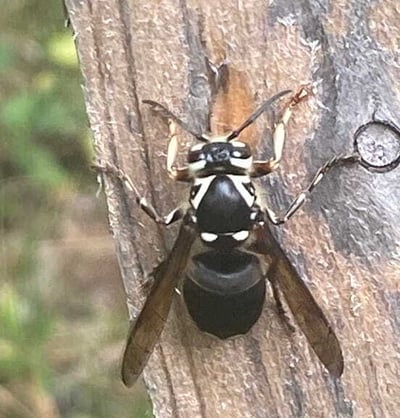
Bald faced hornets are large, aggressive stinging insects that build distinctive gray paper nests in trees, shrubs, and on structures. Their nests are enclosed and can grow to the size of a basketball by late summer. Bald-faced hornets are extremely defensive of their colony and will attack repeatedly if the nest is disturbed. Getting stung by bald faced hornets is significantly more painful than most bee or wasp stings due to the potency of their venom.
.jpg "a photo of a mud dauber")
Mud Daubers
Mud daubers are solitary stinging insects that build small mud tube nests on walls, eaves, and other sheltered structures. Unlike social stinging insects, mud daubers are not aggressive and rarely sting unless directly handled. They are more of a nuisance pest than a serious threat, but their nests on the exterior of your house can attract other insects and should be removed.
Carpenter Bees
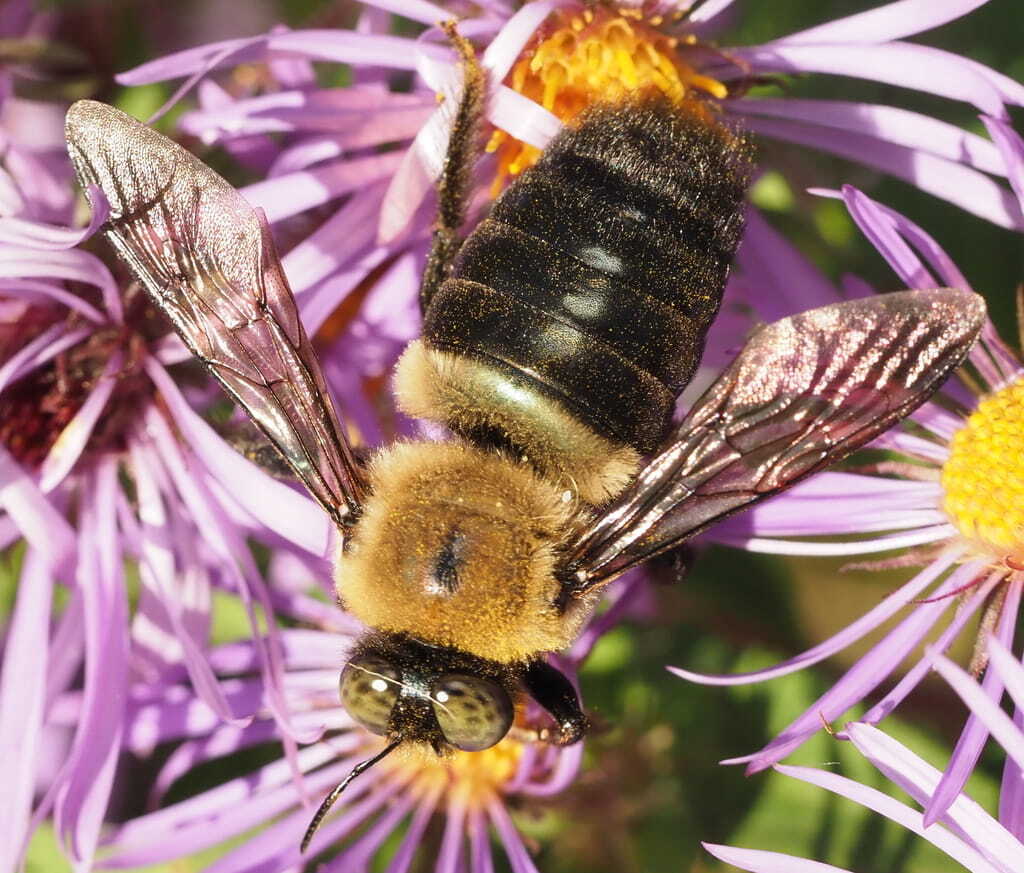
Carpenter bees are large, solitary bees that bore into wood to create nesting tunnels. They are commonly found around wooden decks, eaves, fascia boards, and sheds. Male carpenter bees are territorial and will fly aggressively toward people who approach their territory, but they do not have stingers and cannot sting. Female carpenter bees do have stingers but rarely use them unless directly handled. The primary concern with carpenter bees is the structural damage their tunneling causes to wood over time.
Bumble Bees
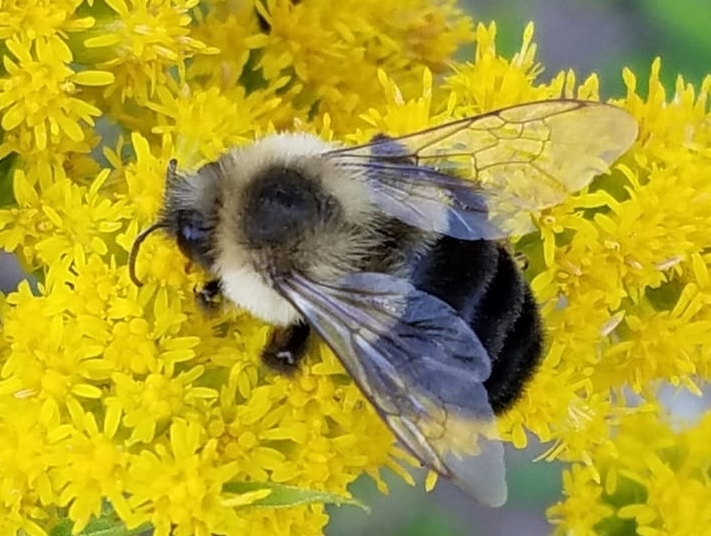
Bumble bees are generally docile stinging insects that play an important role in pollinating flowering plants and garden plants. They typically nest in the ground or in dense vegetation and will sting only when their colony is directly threatened. While bumble bees are beneficial insects, a ground nest near a frequently used area of your yard poses a real risk of someone getting stung accidentally, particularly a child or pet. Contact us if a bumble bee colony is located in a problematic area of your property.
Honeybees
Honeybees are critical to our local ecosystem and are not a pest species Defender Pest treats. If you have a honeybee hive on your property, contact a local beekeeper or reach out to us to get the name of a reputable beekeeper business. Honeybees can often be safely relocated rather than destroyed, which is the preferred approach for protecting these important pollinators.
.jpg?width=400&height=320&name=honey%20bee%20(1).jpg "A picture of a honeybee")
Signs of Stinging Insect Activity
- Visible nests under eaves, in attics, in sheds, in trees, or in shrubs
- Small mud tubes on exterior walls or structures indicating mud dauber activity
- Yellow jackets entering and exiting a gap in the ground, siding, or foundation
- Wood shavings or sawdust beneath wooden structures indicating carpenter bee activity
- Being stung repeatedly in the same area of the yard without an obvious cause
How Defender Pest Treats Stinging Insects
Identify the Species and Locate the Nest
Effective stinging insect control starts with correctly identifying the pest species and locating every nest on the property. Our stinging insect exterminators inspect the full exterior of your home, outbuildings, trees, shrubs, and ground areas to identify all active nests and stinging insect activity before any treatment begins. Different species require different approaches, and treating the wrong pest species the wrong way can agitate the colony and increase the risk of being stung during treatment.
Safe, Professional Nest Treatment and Removal
We treat nests using professional-grade insecticides applied directly to the nest and surrounding activity zones. Treatments are timed and applied in a manner designed to eliminate the colony efficiently while minimizing the risk of agitating stinging insects during the process. Our technicians are equipped with the appropriate protective gear and tools to safely remove nests in difficult locations including high eaves, wall voids, attics, and ground nests.
After treatment, nests are removed where accessible to prevent other insects from inhabiting the structure and to discourage new colonies from building in the same location.
Traps and Monitoring
For properties with recurring stinging insect activity, we deploy traps in key areas to monitor and reduce populations between treatments. Traps are particularly effective for yellow jackets and can significantly reduce the threat of being stung in outdoor activity areas during peak summer season.
Prevention and Exclusion
Our technicians identify and document the conditions and entry points that attract stinging insects to your property. We provide specific recommendations for sealing gaps in siding, eaves, and structures that yellow jackets and wasps use to access wall voids and attics, as well as guidance on reducing the food sources and flowering plants that attract stinging pests to your yard.
Reducing Stinging Insect Pressure Around Your Home
- Keep food and drinks covered outdoors — yellow jackets are strongly attracted to sweet foods, meat, and open beverages, and outdoor gatherings are prime situations for getting stung
- Seal gaps and cracks in siding, eaves, and the foundation to prevent yellow jackets and wasps from nesting inside your home's structure
- Inspect outbuildings, sheds, and play equipment regularly throughout summer for early signs of nest construction
- Trim shrubs and trees regularly to reduce the sheltered spots stinging insects use to build nests
- Address wood damage and moisture around eaves and fascia boards to make your home less attractive to carpenter bees
- Check the ground before mowing or walking in areas of tall grass where yellow jacket ground nests may be hidden
Do Not Attempt to Remove Stinging Insect Nests Yourself
Attempting to remove a wasp nest, hornet nest, or yellow jacket colony without professional training and equipment puts you at serious risk of being stung repeatedly. Agitated stinging insects can sting multiple times each, and a disturbed colony can release hundreds of insects simultaneously. Getting stung this many times can be dangerous even for individuals without a known allergy.
If you discover a nest on your property, keep family members and pets away from the area and contact Defender Pest. Our stinging insect exterminators handle the situation safely so no one gets stung in the process.
Frequently Asked Questions About Stinging Insect Control
What should I do if I get stung?
For a typical bee sting or wasp sting, remove the stinger if present as quickly as possible. You can scrape it away with a fingernail or card, or flick it off — the key is to avoid pinching it, which can squeeze more venom into the skin. Clean the area and apply ice to reduce swelling. Over-the-counter antihistamines can help with itching and mild swelling. Monitor for symptoms of an allergic reaction including difficulty breathing, significant swelling beyond the sting site, dizziness, or hives. If any of these symptoms occur after being stung, seek medical attention immediately or call emergency services.
How do I know if I am allergic to bee stings?
Many people do not know they have a bee sting allergy until they are stung. What is less widely known is that a bee sting allergy can develop at any point in life, even in people who have been stung many times before without any reaction. Your immune system can become sensitized over time, meaning a history of uneventful stings is not a guarantee of safety in the future. Some of the most severe allergic reactions occur in people who had no issues with previous stings.
A mild local reaction with pain and swelling is normal. A severe reaction involving symptoms beyond the sting site, such as throat tightening, difficulty breathing, hives, or a rapid drop in blood pressure, indicates anaphylaxis and requires immediate emergency medical attention. If you have ever had a more than typical reaction after being stung, speak with a doctor about allergy testing and whether carrying an epinephrine auto-injector is appropriate for you.
How can I tell the difference between yellow jackets and bees?
Yellow jackets are slender with bright yellow and black banding and a smooth, shiny appearance. They move quickly and aggressively. Bees are generally rounder and fuzzier. Bumble bees are large and fuzzy with yellow and black coloring. Honeybees are smaller and brownish. The key behavioral difference is that yellow jackets are significantly more aggressive and more likely to sting without direct provocation, particularly in late summer when colony populations peak.
Are stinging insect treatments safe for children and pets?
Yes. Our treatments are applied by licensed professionals using products and application methods designed to minimize risk to children and pets. We recommend keeping family members and pets away from treated areas during and immediately after treatment. Our technicians will advise on specific timing based on the products used.