
Tick Control Services in Southeast Michigan
Professional Tick Control That Protects Your Family and Pets
Ticks are one of the most dangerous pests in Michigan. They are primary carriers of Lyme disease, Rocky Mountain spotted fever, and other tick-borne diseases that pose serious health risks to humans, dogs, cats, and other animals. Unlike most pests that stay in one place, ticks actively seek out a next host, attaching themselves to people, pets, and clothing as they move through tall grass, wooded areas, leaf litter, and overgrown areas around your property.
Defender Pest provides professional tick control services for Michigan homeowners and businesses across Southeast Michigan. Our tick control treatment targets tick populations where they live and breed, creating a protective barrier around your outdoor spaces so your family and pets can spend time outside without the risk of a tick bite.
Why Tick Control Is Important in Michigan
The Health Risks Are Real and Serious
Ticks are not just a nuisance. They are dangerous. A single tick bite can transmit Lyme disease, Rocky Mountain spotted fever, and other tick-borne illnesses that can cause lasting health complications if not caught and treated early. Michigan has seen a steady increase in tick populations over the past decade, making professional tick control more important than ever for homeowners with yards that border wooded areas, grassy areas, or natural spaces.
Lyme Disease
Lyme disease is the most common tick-borne illness in Michigan and one of the most commonly reported infectious diseases in the United States. It is transmitted primarily through the bite of the black-legged deer tick, also known as the deer tick. Early symptoms include a characteristic bull's eye rash around the bite area, fever, fatigue, and joint pain. Left untreated, Lyme disease can progress to affect the joints, heart, and nervous system. Early detection and treatment are critical, but the best protection against Lyme disease is preventing tick bites in the first place.
Rocky Mountain Spotted Fever
Rocky Mountain spotted fever is a serious bacterial tick-borne disease transmitted by the American dog tick in Michigan. Despite its name, Rocky Mountain spotted fever is found throughout the eastern United States and is one of the most dangerous diseases carried by ticks. Symptoms include fever, headache, and a spotted rash. Prompt medical treatment is essential. The American dog tick is common in Southeast Michigan, particularly in grassy areas, lawn borders, and areas with dense vegetation.
Other Tick-Borne Diseases
Michigan ticks also carry other tick-borne illnesses including anaplasmosis and ehrlichiosis, both of which can cause serious illness in humans and other animals. For dogs in particular, tick-borne diseases can cause symptoms ranging from lethargy and loss of appetite to more serious complications if not treated. Regular tick control treatment is one of the most effective ways to protect your pets alongside veterinarian-recommended tick prevention products.
Follow-Up and Residual Control
Ant colonies take time to fully eliminate. Our follow-up visits confirm treatments are working and provide residual control through the treatment cycle. If ant activity persists we adjust our approach. And if ants return between scheduled visits and you want a return visit, we are happy to come back at no additional charge.
Signs of a Tick Infestation
- Ticks discovered on lawn furniture, outdoor seating, or near entry points to the home
- Pets scratching or grooming excessively, particularly around the ears, neck, and between toes
- Tick activity concentrated along wooded areas, lawn borders, leaf litter piles, or wood piles
- Tall grass or overgrown areas around the property that provide ideal tick habitat
- How Defender Pest Controls Ticks
- Inspection and Tick Activity Assessment
Every tick control service begins with a thorough inspection of your property. Our pest control professionals assess the areas where ticks reside, including wooded areas, tall grass, lawn borders, leaf litter, wood piles, and dense vegetation along the perimeter of your property. Understanding where tick activity is concentrated allows us to build the most targeted and effective treatment plan for your specific yard.
Tick Species in Michigan
Know What You Are Up Against
Different tick species carry different tick-borne diseases and exhibit different behaviors. Understanding which tick species are active in your area helps explain why professional tick control that targets the full range of local tick populations is more effective than DIY approaches.
Black-Legged Deer Tick
The black-legged deer tick is the primary carrier of Lyme disease in Michigan. These ticks are small, which makes them easy to miss during a tick check. Deer ticks live in wooded areas, along lawn borders, and in leaf litter, and they are active in both spring and fall as well as during mild winter days. Nymph stage deer ticks are especially difficult to spot and are responsible for many Lyme disease transmissions because they often go undetected during feeding.
.jpg "A black-legged deer tick")
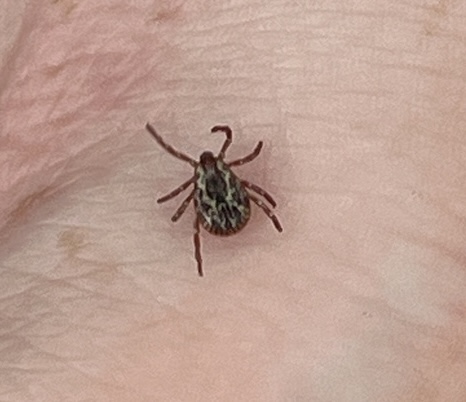
American Dog Tick
The American dog tick is one of the most common tick species in Michigan and the primary carrier of Rocky Mountain spotted fever in the region. American dog ticks are larger than deer ticks and easier to spot. They live in tall grass, grassy areas, wooded areas, and along woodland edges. Dogs are frequent hosts for American dog ticks, making tick control treatment important for any household with outdoor pets.
Other Tick Species
Michigan homeowners may also encounter the lone star tick and the woodchuck tick depending on location and season. Each tick species has different activity patterns, host preferences, and disease risks. Our pest control professionals identify the tick species present on your property and build a customized treatment plan around the specific tick populations we are dealing with.
%20(1).jpg "A photo of a tick on a leaf")
Barrier Treatment
Our tick control treatment applies a professional-grade barrier treatment to the areas where ticks live and wait for a next host. Treatment targets the perimeter of your lawn, wooded borders, tall grass, and other areas where tick populations are highest. The barrier treatment eliminates existing ticks on contact and provides residual control that continues to kill ticks as they move through treated areas.
Customized Treatment Plan
Every property is different. The size of your yard, the proximity to wooded areas, the presence of pets, and the level of existing tick activity all vary depending on several factors specific to your home. Our pest control professionals build a customized treatment plan that addresses the specific tick species and conditions on your property for maximum protection throughout the season.
Mosquito and Tick Control Integration
Ticks and mosquitoes share many of the same habitats. Our mosquito and tick control services can be combined into a single treatment program for comprehensive outdoor pest management. Treating for both mosquito and tick populations in one visit provides broader protection for your family and pets and delivers better value than scheduling separate treatments.
.jpg?width=1783&height=2000&name=tick%20(1).jpg "tick (1)")
Tick Prevention Between Treatments
Professional tick control treatment is the most effective way to reduce tick populations on your property, but there are steps Michigan homeowners can take between treatments to further reduce tick activity and lower the risk of a tick bite.
- Keep grass mowed and trim vegetation. Ticks live in tall grass, overgrown areas, and dense vegetation. Regular mowing and trimming reduces the suitable habitat available to ticks and makes tick activity easier to detect early.
- Remove leaf litter and wood piles. Removing leaf litter from lawn borders and keeping wood piles away from the house eliminates two of the most common harborage areas for ticks. This is one of the most effective forms of habitat modification for reducing tick populations near the home.
- Create a barrier between lawn and wooded areas. A wood chip or gravel border between your lawn and any adjacent wooded areas can discourage ticks from migrating onto your property. Ticks typically avoid crossing dry, open barriers, making this a useful structural tick prevention measure.
- Check for ticks after outdoor activity. After spending time in wooded areas, tall grass, or overgrown areas, thoroughly check yourself, your children, and your pets for ticks. Pay particular attention to the scalp, behind the ears, underarms, the backs of knees, and between the toes on pets. Ticks that are removed within 24 to 36 hours are much less likely to transmit tick-borne diseases.
- Protect your pets. Pets that spend time outdoors are frequent hosts for ticks and can bring tick infestations into the home. Consult your veterinarian about appropriate tick prevention products for your pets and check pet bedding regularly for signs of tick activity.
Wear protective clothing. When working in wooded areas or tall grass, wearing long sleeves and tucking pants into socks reduces the skin exposure ticks can access. Light-colored clothing also makes it easier to spot ticks before they attach.
How to Remove a Tick
If you find a tick attached to your skin, prompt removal reduces the risk of tick-borne disease transmission significantly.
Use fine-tipped tweezers to grasp the tick as close to the skin as possible and pull upward with slow, steady pressure. Do not twist or jerk the tick as this can cause parts to break off and remain in the skin. Do not crush the tick with your fingers or the tweezers, as this can release fluids that increase the risk of infection. Clean the bite area thoroughly with rubbing alcohol or soap and water after removal.
Monitor the bite area over the following days and weeks. If you develop a rash, fever, or flu-like symptoms after a tick bite, seek medical attention promptly and let your doctor know you were bitten by a tick.
Disclaimer: The information provided here is for general guidance only and is not a substitute for professional medical advice. If you have concerns about a tick bite or your health, consult a licensed healthcare provider.
Professional Tick Control Backed by our Promise
DIY tick control treatment options including sprays and essential oils can provide some localized relief but rarely eliminate tick populations across a full property or provide the residual control needed to protect your family throughout the season. Professional tick control services deliver comprehensive protection that regular treatments and home remedies simply cannot match.
Defender Pest backs every tick control service with our promise. If ticks return between scheduled treatments, we come back at no additional charge. Our licensed pest control professionals provide great service on every visit, treat your property with care, and leave a detailed report so you always know what is protecting your family.
Frequently Asked Questions About Tick Control
How often do I need tick control treatment?
For the best results, tick control treatment should be applied at regular intervals throughout the tick season in Michigan, typically from early spring through late fall. Treatment options vary depending on the size of your property and level of tick activity. Our pest control professionals will recommend a treatment schedule based on your specific property and the tick species active in your area. Regular treatments throughout the season provide ongoing protection and prevent future infestations from establishing.
Can I combine tick control with mosquito control?
Yes and we recommend it. Mosquito and tick populations often overlap in the same outdoor areas. Combining mosquito and tick control into a single treatment program provides comprehensive outdoor protection for your family and pets, reduces the number of service visits needed, and delivers better value overall.
Are tick control treatments safe for children and pets?
Our tick control treatments are applied by licensed professionals using EPA-approved products following all label directions. We recommend keeping children and pets off treated areas until the application has dried. Our technicians will advise on specific timing at the time of service. For households with dogs or cats, let our technicians know before treatment begins so we can account for pet bedding and high-use outdoor areas in our application approach.
What should I do if I find a tick on my child or pet?
Remove the tick promptly using fine-tipped tweezers as described above and monitor for symptoms of tick-borne illness in the days and weeks that follow. For pets, contact your veterinarian if you notice changes in behavior, appetite, or energy levels after a tick bite. If a tick bite area develops a rash or your child develops a fever after being bitten, seek medical attention right away and inform the doctor that a tick bite occurred.